
Demand generation
Demand generation for B2B SaaS, AI and tech
We run the channels, content and reporting that turn your market into pipeline. We catch the buyers already looking, get you known by the ones who'll buy later, and judge it all on the opportunities sales can see in your CRM.

Sound familiar?
Does this sound like you?
“Sales says the leads are rubbish.”
“We're spending more and pipeline isn't moving.”
“We've got three agencies and nobody can tell me what's working.”
Why demand generation stalls
Most programmes stall because of how they're run
Channels run in isolation
Search with one agency, LinkedIn with another, content in-house. Nobody owns the whole picture.
Judged on leads, not pipeline
Lead numbers go up and sales still can't find the opportunities.
All the budget in one job
Everything on search until it stops growing, or everything on awareness with nothing to show the board.
Tracking breaks before the CRM
Ad platforms optimise to form fills, and nobody can see which campaigns become deals.
Sales isn't in the loop
Marketing never hears what happened on the calls, so next month looks like this one.
Demand generation, in plain terms
Most of your market isn't buying this quarter
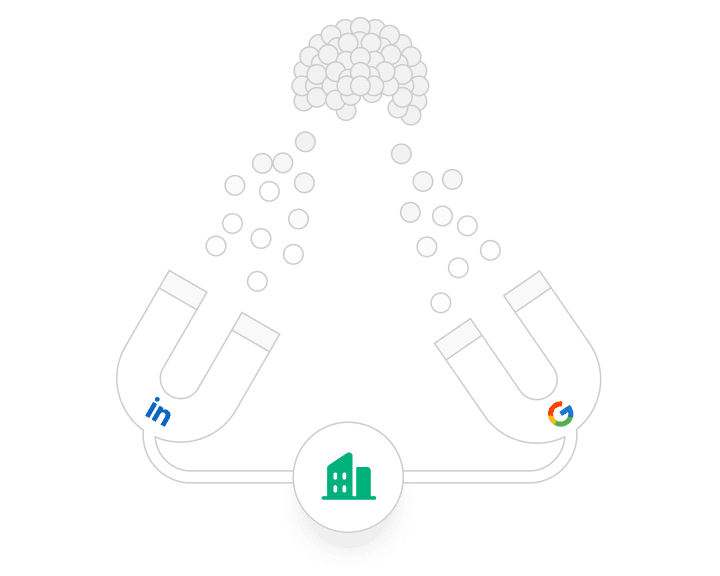
Demand generation is everything that makes the right companies know you, trust you and come to you when they're ready to buy. It has two jobs.
The first is to catch the small share of your market that's buying right now, around 5% in any quarter. The second is to make sure the other 95% already know and trust you by the time they start looking.
- In market this quarter
- Buying later, deciding who they've heard of now
Source: John Dawes, Ehrenberg-Bass Institute, for the LinkedIn B2B Institute.
The engine
Two jobs, one set of foundations
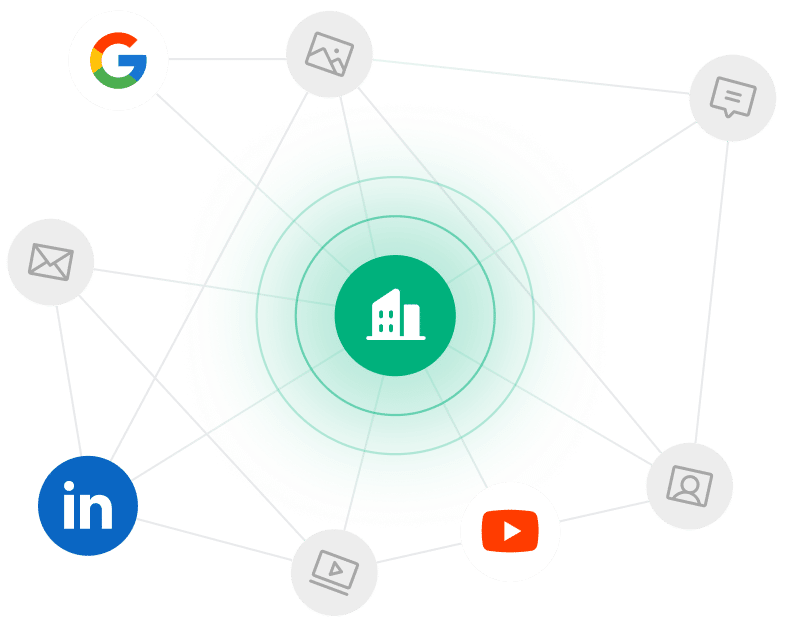
Catch the buyers already looking
- Paid search on Google and Bing
- Review sites and comparison pages
- Showing up in AI answers (GEO)
- A website that turns a visit into a conversation
Get known by the ones who'll buy later
- LinkedIn ads to the accounts and roles in your buying group
- Earned social from your own experts
- Content that answers the questions buyers ask
- Reddit and the communities where your buyers talk
Foundations under both
- Who you sell to and what you say
- Tracking from first click to closed deal
- One definition of a qualified lead, agreed with sales
- A weekly handover to sales
When one part breaks, the whole engine underperforms. That's why we run them together and judge them on one number: pipeline.
How each part is judged
Every part has a job, and a number to judge it by
| Part | Its job | What we judge it on |
|---|---|---|
| Paid search and review sites | Catch buyers who are ready now | Cost per opportunity, from your CRM |
| Website and landing pages | Turn a visit into a conversation | Conversion rate to a qualified lead |
| SEO and GEO | Be found when buyers start looking | Visits and mentions from the searches and questions that lead to deals |
| LinkedIn and paid social | Get known by the buying group early | Target accounts reached and engaging, then pipeline from them |
| Earned social and content | Build trust in your people and thinking | Target account engagement, and what buyers say brought them in |
| Foundations | Make all of it measurable | Every opportunity traced back to where it started |
Where the budget goes
Start where demand already exists, then build
We put budget first where buyers are already looking, because it pays back fastest. As search stops growing, we move more into building familiarity with the buyers who'll come later. We give that work at least two quarters before judging it on pipeline, and in the meantime watch the signals that come first: target accounts engaging, branded searches rising and more buyers saying they found you through LinkedIn or a colleague. Every 30 days, budget moves towards what's working.
Measuring the demand you can't click
Most buyers won't tell your analytics how they found you
They hear about you in a podcast, a LinkedIn post, a Slack group or an AI answer, then type your name into Google. Click tracking gives all the credit to the last search. So we measure three ways and compare them.
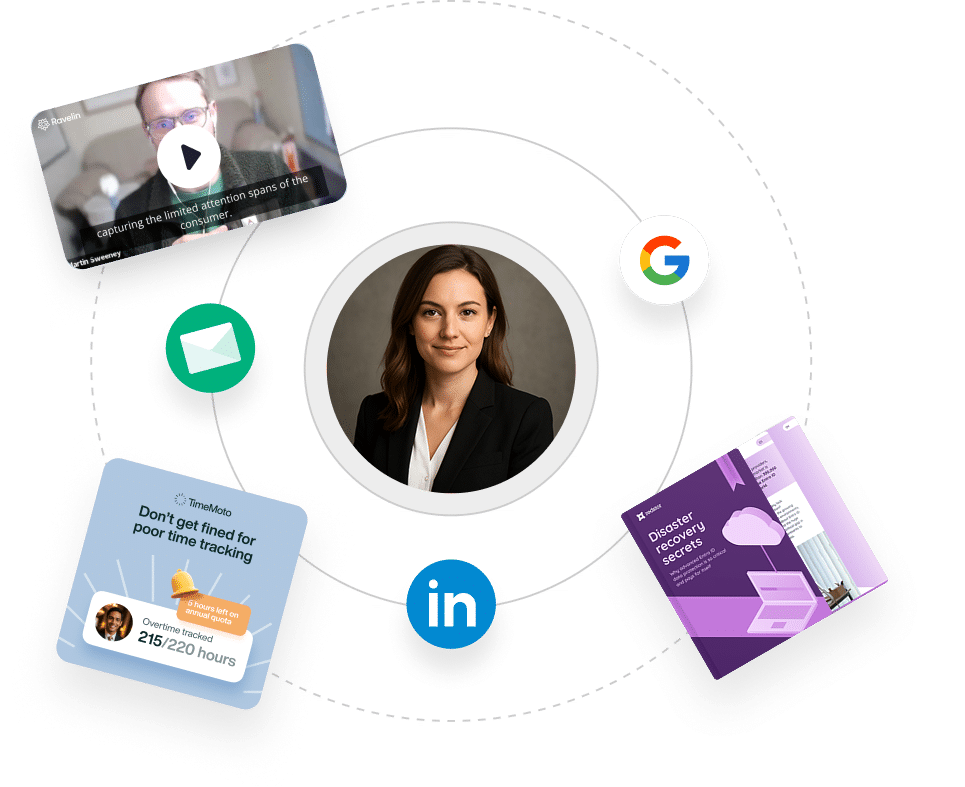
- 1
What the data shows
Every opportunity traced from first visit to closed deal in your CRM.
- 2
What buyers say
A "How did you hear about us?" field on every form, and the same question on sales calls.
- 3
What's moving around it
Branded search, direct visits, target account engagement and visits from AI tools.
When all three point the same way, you can act on it. When they don't, we tell you.
How we run it
Five steps, in this order
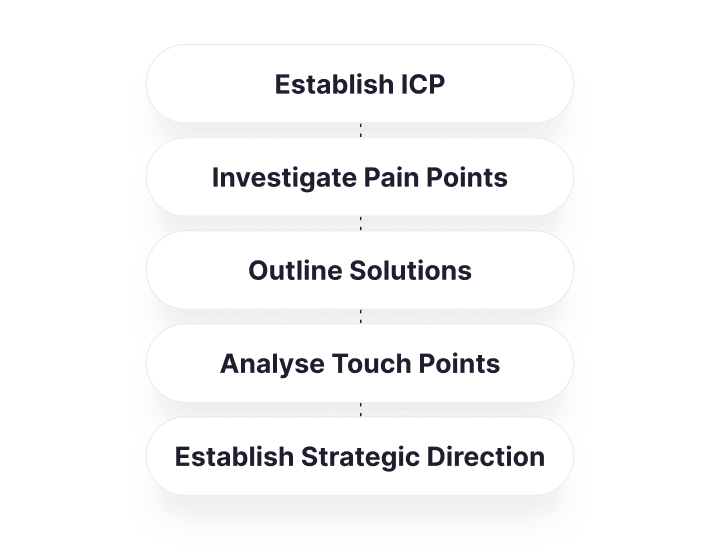
- 1
Start with the plan
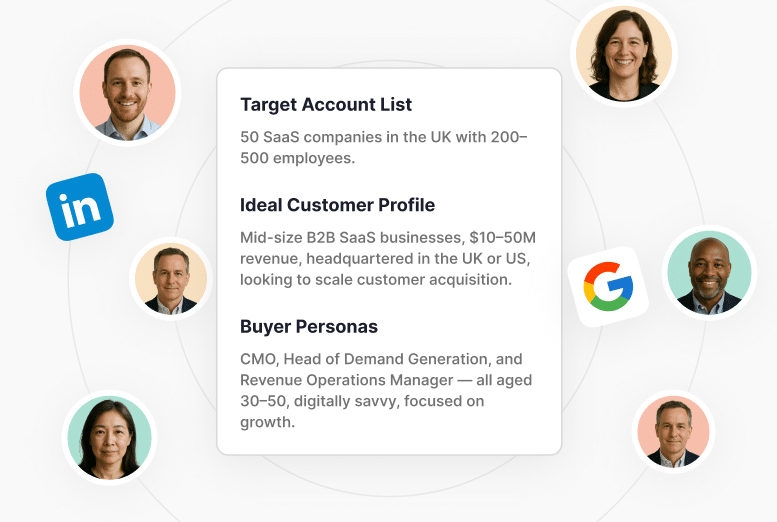
Who you sell to, how they buy, what to say and where to spend, agreed with your sales team. Danny or Brendan build it in the first four weeks, from interviews with your team and customers and a look at every channel you've run.
- 2
Fix the foundations and catch existing demand first
Tracking from first click to closed deal, CRM stages sales agrees with, landing pages that match what buyers searched for, and paid search on the terms buyers use when they're ready. No point spending more on awareness while the website leaks the demand you already have.
- 3
Build demand with the buyers who aren't ready yet
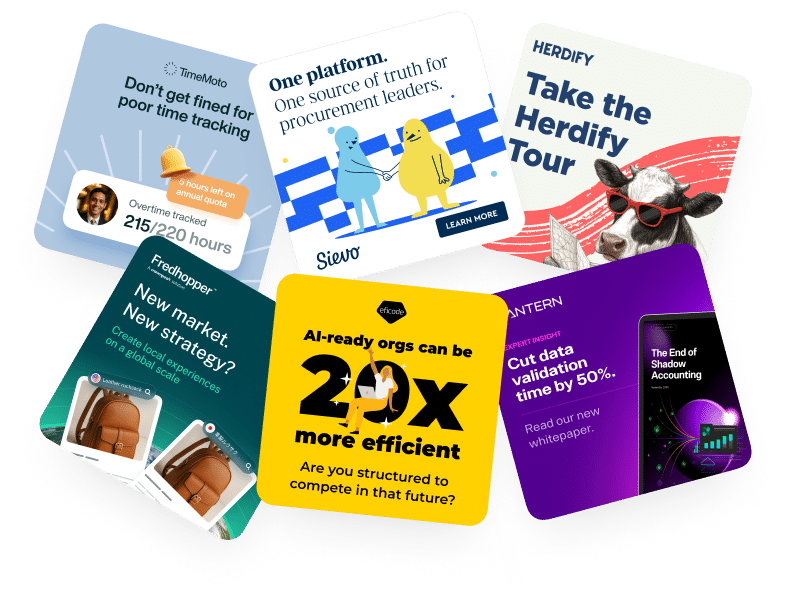
LinkedIn ads to every role in your buying group at the accounts you want, earned social from your own experts, content for each buying stage, and SEO and GEO so you're found and recommended when they start looking.
- 4
Hand sales the accounts that are warming up
Every week, sales gets the accounts showing interest, who's engaging and what they've looked at. What sales hears changes what we run the week after.
- 5
Judge it on pipeline and move the budget
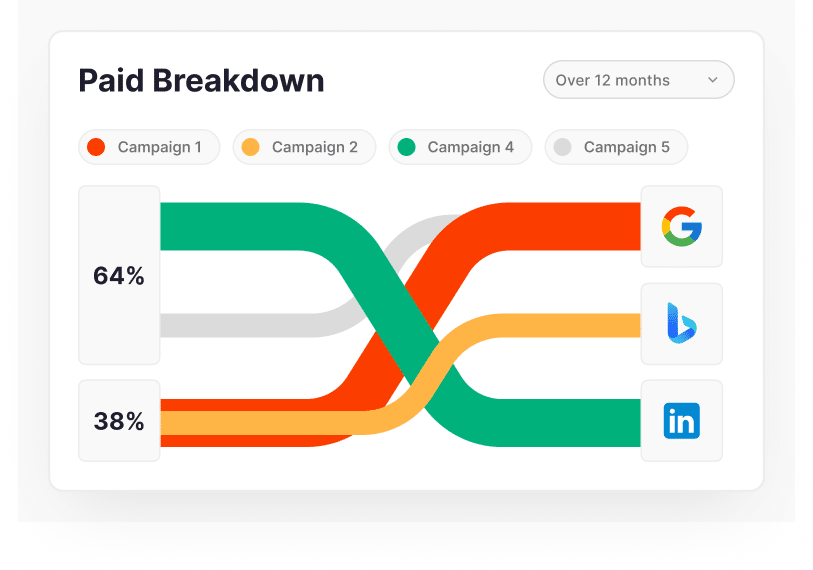
30-day sprints. Every month you see what's working, what isn't and what we're changing. Every quarter we meet face to face to decide what to scale, change or stop.
What you get every month
One page from your CRM, and a team that acts on it
- A one-page report: pipeline from marketing, cost per opportunity, what we're changing next
- A weekly check-in with your account manager
- A weekly list of warm accounts for sales
- The campaigns and content in the sprint plan, live
- A quarterly face-to-face review of the whole plan
Your first 90 days
What happens after you say yes
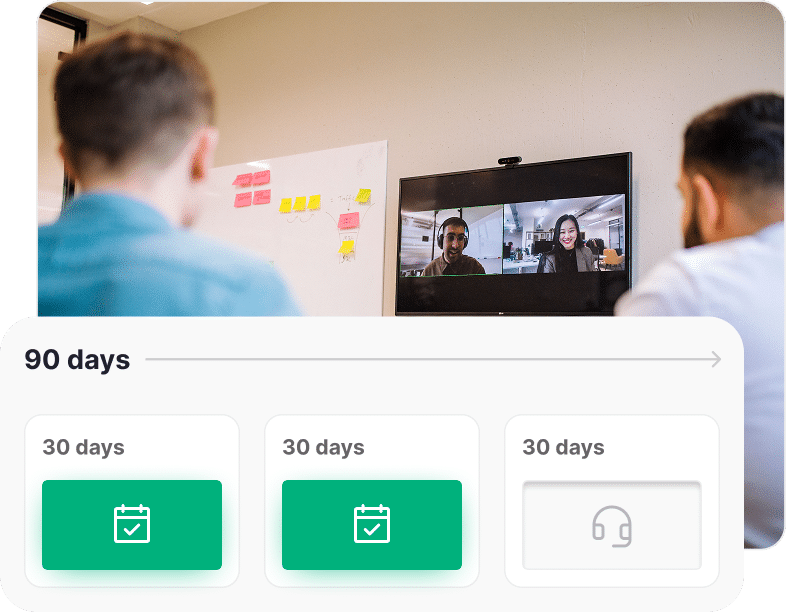
Weeks 1 to 4
The audit: accounts, tracking, website and pipeline
You get: Ranked findings and a one-page brief
Week 4
We agree the plan with you
You get: A 90-day plan with targets and review dates
Months 2 and 3
We run the work and report every month
You get: Your first monthly report
Day 90
Scale it, change it or stop it, for every campaign
You get: The plan for the next quarter
Who you'll work with
The people on the call are the people who do the work

Danny
Paid Media Strategist
Plans where the budget goes and what each channel should deliver.

Brendan
SEO Strategist
Plans the searches you should win and the pages that win them.

Lewis
Head of Paid Media
Leads the paid media team and signs off every campaign plan.

Morgan
Paid Media Specialist
Builds and runs your campaigns day to day.

Jemma
Paid Media Specialist
Builds and runs your campaigns day to day.

Ben
Content Lead
Leads the writing team and sets the standard for every piece.

Jack
Head of Design
Leads design across ads, landing pages and sites.

Neil
Reporting and Analytics Specialist
Builds your reporting and checks every number before you see it.

Charlotte
Group Marketing Account Manager
Your day-to-day contact. Runs the weekly check-in and the monthly review.

Jack
Senior Marketing Account Manager
Your day-to-day contact. Runs the weekly check-in and the monthly review.

Shwetha
Marketing Account Manager
Your day-to-day contact, keeping the work moving each week.

Svetlana
Marketing Account Manager
Your day-to-day contact, keeping the work moving each week.

Scarlett
Client Services Director
Checks every account each month, and steps in if something isn't working.
Proof from teams like yours
What it looks like when it works

“They've acted as a true extension of our team, filling expertise and capacity gaps, bringing fresh ideas and keeping us focused on the activities that drive revenue.”
Who it's for
Built around how you sell and where you are
B2B SaaS, AI and tech companies between £2 million and £20 million ARR, with a sales team to hand pipeline to.
By how you sell
When it isn't the right fit
No sales team yet
Start with SaaS startups with PMF instead.
Leads next week, at any cost
Demand generation builds over quarters, with paid search bringing the first conversations.
One channel, run well
Go straight to Google Ads, LinkedIn Ads, SEO or GEO.

Pricing
From £15,000 a month
To run your demand generation across channels, after a fixed-fee audit. Or start with one or two channels from £7,500 a month. It's a flat fee, never a percentage of your ad spend.
See pricing and get an estimateFurther reading
Guides from our team on demand generation
Questions we get asked
Lead generation collects contact details from people ready to talk now. Demand generation does that and also builds familiarity with the companies who'll buy later, so there are more of them, and they arrive ready to talk.
Paid search usually brings conversations in the first two to three months. LinkedIn, content, SEO and GEO build over two to three quarters. The first 90-day plan sets targets and review dates for each.
Paid search, LinkedIn and other paid social, Reddit, SEO, GEO, earned social, content and landing pages. The plan picks the ones your buyers use; you don't pay for the rest.
We don't run calling. We warm the accounts your SDRs are going after, and hand them a weekly list of the ones showing interest.
Yes. Most clients have marketers in-house. We agree who owns what at the start and report into the same numbers.
From your CRM: pipeline created, cost per opportunity, conversion at each stage, and payback. If a number doesn't help you decide where to spend, we don't report it.
Yes. Our content and design team writes and designs the ads, landing pages and content, briefed by your strategist and checked by your team.
Yes. We plan the handover with you, keep campaigns running while we audit them, and change only what the audit shows needs changing.
You hear it from us first, with what we'd change. At the next 30-day review we move the budget to what's working.
Yes, for the accounts worth it, alongside the inbound and paid programmes that keep pipeline coming.
A weekly list of warm accounts, an agreed definition of a qualified lead, and feedback from their calls that shapes what we run next.
A fixed-fee audit, then a rolling contract with three months' notice.
From £15,000 a month for full demand generation, or from £7,500 a month for one or two channels.
30 minutes, no obligation
Turn more of your market into pipeline
Book 30 minutes with one of our team. We'll look at where your pipeline comes from today and tell you the three things we'd change first.
Here's what you'll get:
- Helpful advice and guidance
- No sales pitches or nonsense
- No obligations or commitments




Book your free digital marketing review
 30 min session